
Keep what works. Change what does not.
Your kitchen might need a fresh direction without needing a complete rebuild. Or the problems might go deeper than its appearance. Compare a kitchen makeover with a full renovation by looking at the room you have, the way you use it and what you want your investment to achieve.
Start with the problem you want to solve
Perhaps the doors make the whole room feel dated, but you still enjoy cooking in it. Perhaps the finishes look fine, but two people cannot prepare dinner without getting in each other’s way. Those are different problems, and the right scope should reflect that.
Before collecting colours or requesting quotes, list the things you would keep and the things that frustrate you. Separate appearance from everyday use. Include storage you cannot reach, awkward appliance positions, limited preparation space and any damaged areas. This gives you a clearer starting point than choosing between two labels.
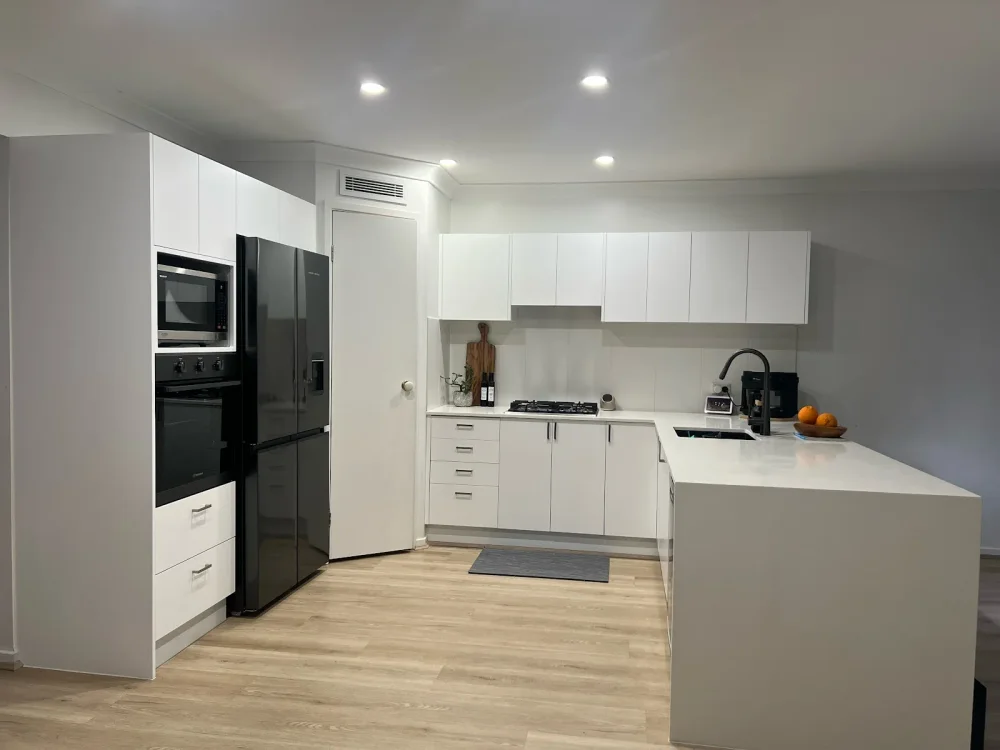
What a kitchen makeover can focus on
A makeover starts by considering which existing parts are worth retaining. Where the cabinet boxes and layout are suitable, the discussion can focus on selected changes rather than replacing the entire kitchen. Cabinet boxes are the internal structures behind the doors and drawers. Their condition matters as much as the finish you see.
Depending on the assessment and agreed scope, options may include resurfacing suitable cabinet doors and panels, replacing selected parts, or discussing practical modifications. These are options to investigate, rather than a package that suits every kitchen. A colour change will not fix a cabinet that is damaged or a layout that continually gets in your way.
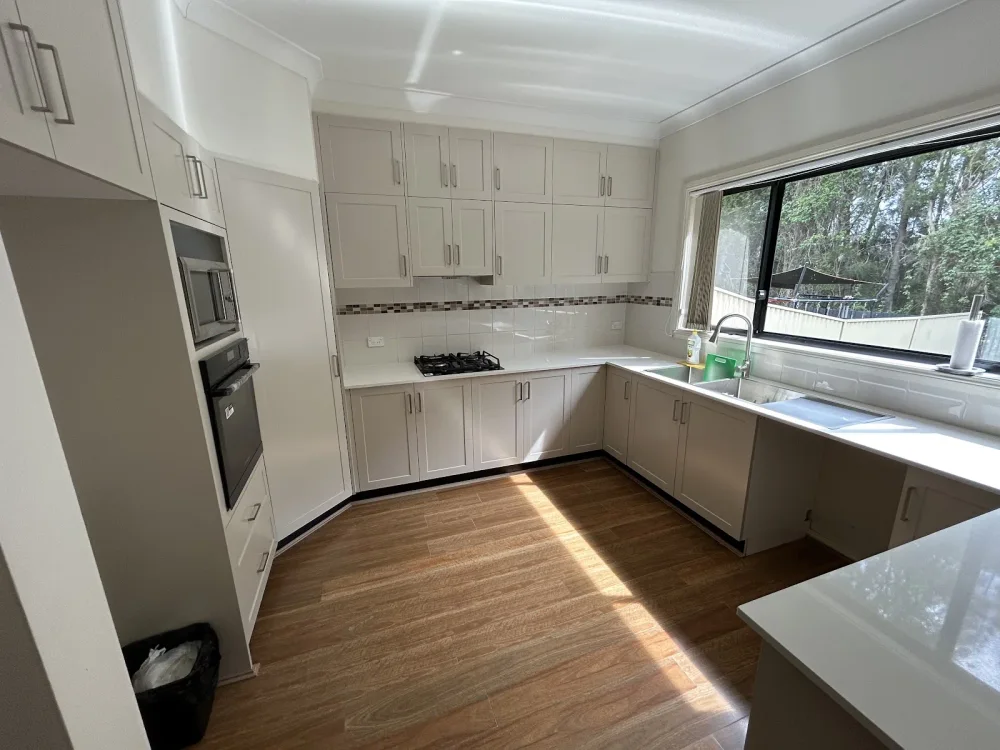
When a full renovation deserves a closer look
A kitchen renovation gives you room to consider a more substantial change. If you want a different arrangement of cabinetry, more useful storage or a kitchen planned around different appliances, retaining the current structure may limit the result. A renovation can be the more relevant conversation when the room needs to work differently.
Think about how long you expect the kitchen to serve your household. A change that improves the finish today may still leave a daily frustration unresolved. Equally, replacing sound components simply because they are older is not automatically the right decision. Bring both your practical priorities and your budget to the discussion with Leon. Mention any proposed changes to sink, cooking or appliance positions, and show damaged cabinet interiors that need inspection.
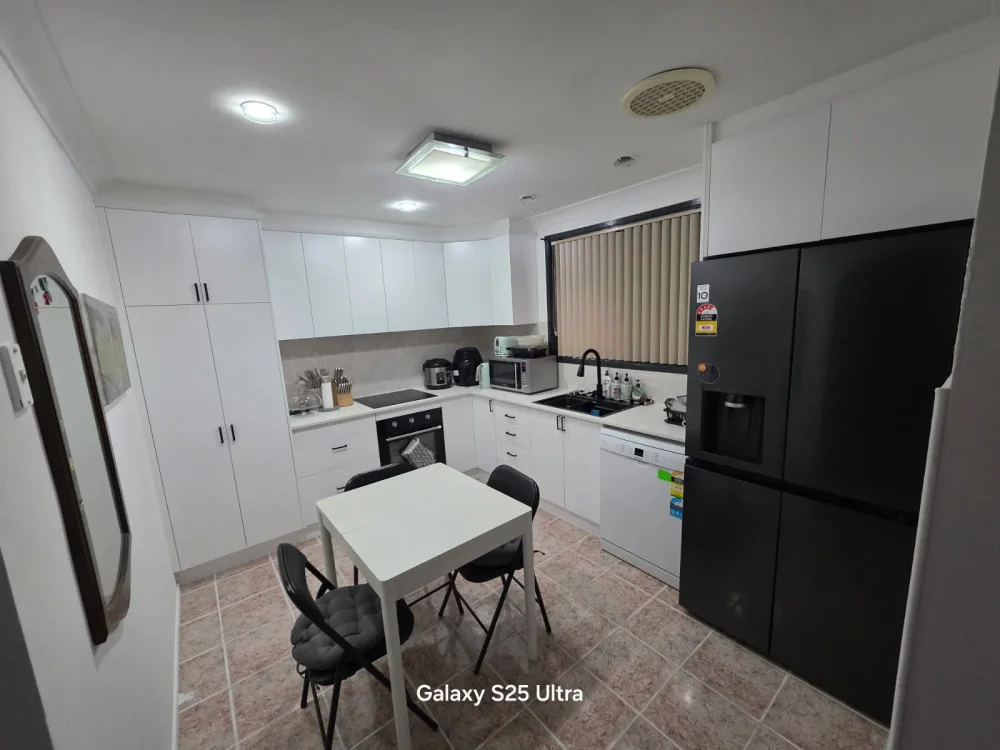
Compare the proposed work, not just the total
Two quotes can describe very different results even when both use the word makeover. One may keep the existing doors, another may replace them. One may include a benchtop replacement, while another leaves the benchtop untouched. Without that detail, the lower figure does not tell you which proposal meets your needs.
Ask for clarity about what stays, what changes and which selections are included. Check whether removal, disposal and any associated plumbing or electrical work form part of the proposed scope. If something needs further investigation, ask how that uncertainty will be addressed before you decide. Check cabinetry, doors, panels and hardware alongside the specified finishes and appliance requirements. Confirm exclusions, outstanding decisions, access and the expected effect on using the room.
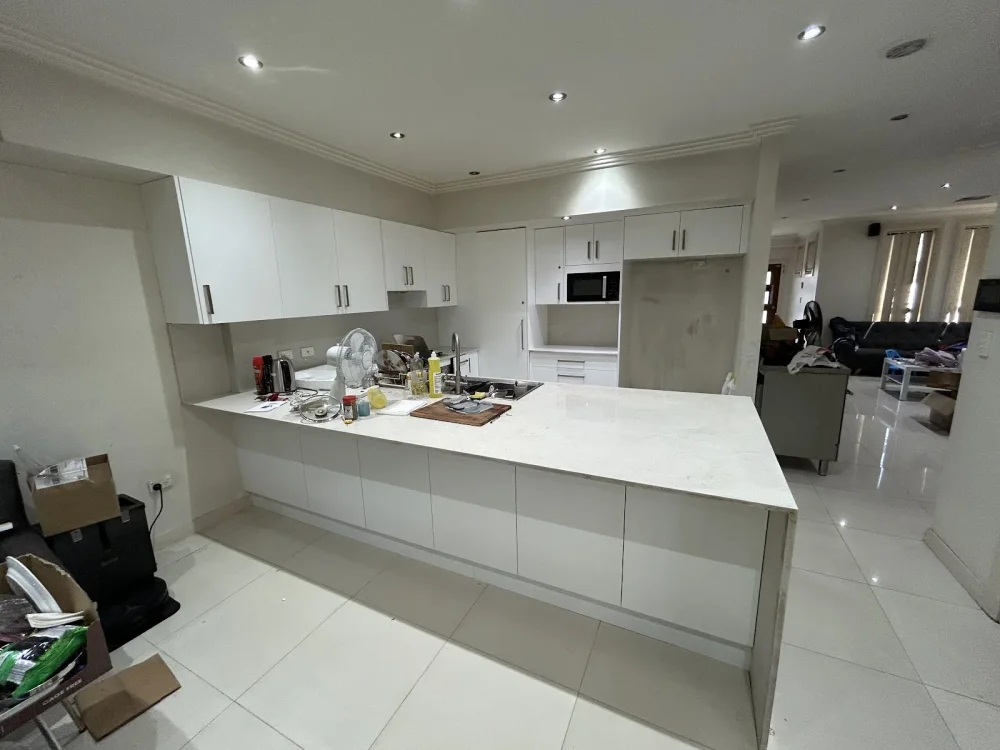
Think about living with the work as well as the result
The extent of the work affects the practical planning. Ask what access will be needed, which parts of the kitchen may be unavailable and what you should prepare before work starts. A smaller scope does not remove the need to discuss household routines.
If you are planning a bathroom or laundry as well, mention that early. Smart Makeover accepts standalone bathroom and laundry enquiries as well as kitchen projects. Each room still needs its own scope. Discussing rooms together does not establish a fixed package, a discount or a particular completion period.
You do not need to decide before getting in touch
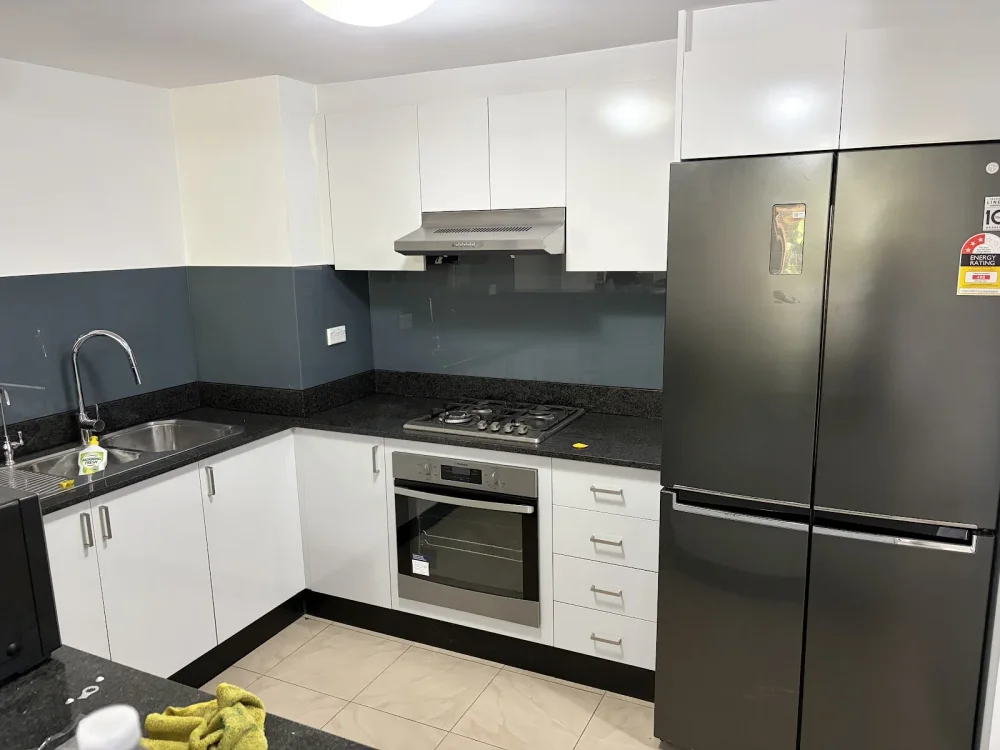
If you are unsure which direction fits, send Leon a short description of your kitchen and at least three photos from different angles. Include your suburb, what you like about the room and the changes you most want to make. Show any concerns clearly rather than hiding them behind inspiration photos.
Use the suitability guide for a closer look at the questions about your existing kitchen, or the process page to understand what to prepare. When you are ready, use Get a quote or Call Leon to discuss your options.

Frequently asked questions
Is a makeover always the cheaper choice?
There is no fixed saving that applies to every kitchen. Retaining suitable components changes the scope, but the condition of those components and your selections still matter. Compare quotes for the result you actually want rather than assuming a particular price difference.
Can I change my layout as part of a makeover?
Some practical modifications may be worth discussing, but a substantial layout change can point towards a renovation. Explain the change you have in mind so Leon can discuss which approach should be assessed.
Can photos confirm which option is right?
Photos help explain your priorities and visible condition. They do not confirm every detail behind a finished surface. Treat them as the start of the conversation and ask what needs to be checked before the scope is settled.
Talk through the work your kitchen needs
Send Leon your suburb, photos and the changes you have in mind. Start with the questions that matter to your home.